The transformative role of Colleges: A mission worth striving for
Dr Areti (Ari) Metuamate, Master and Head of College

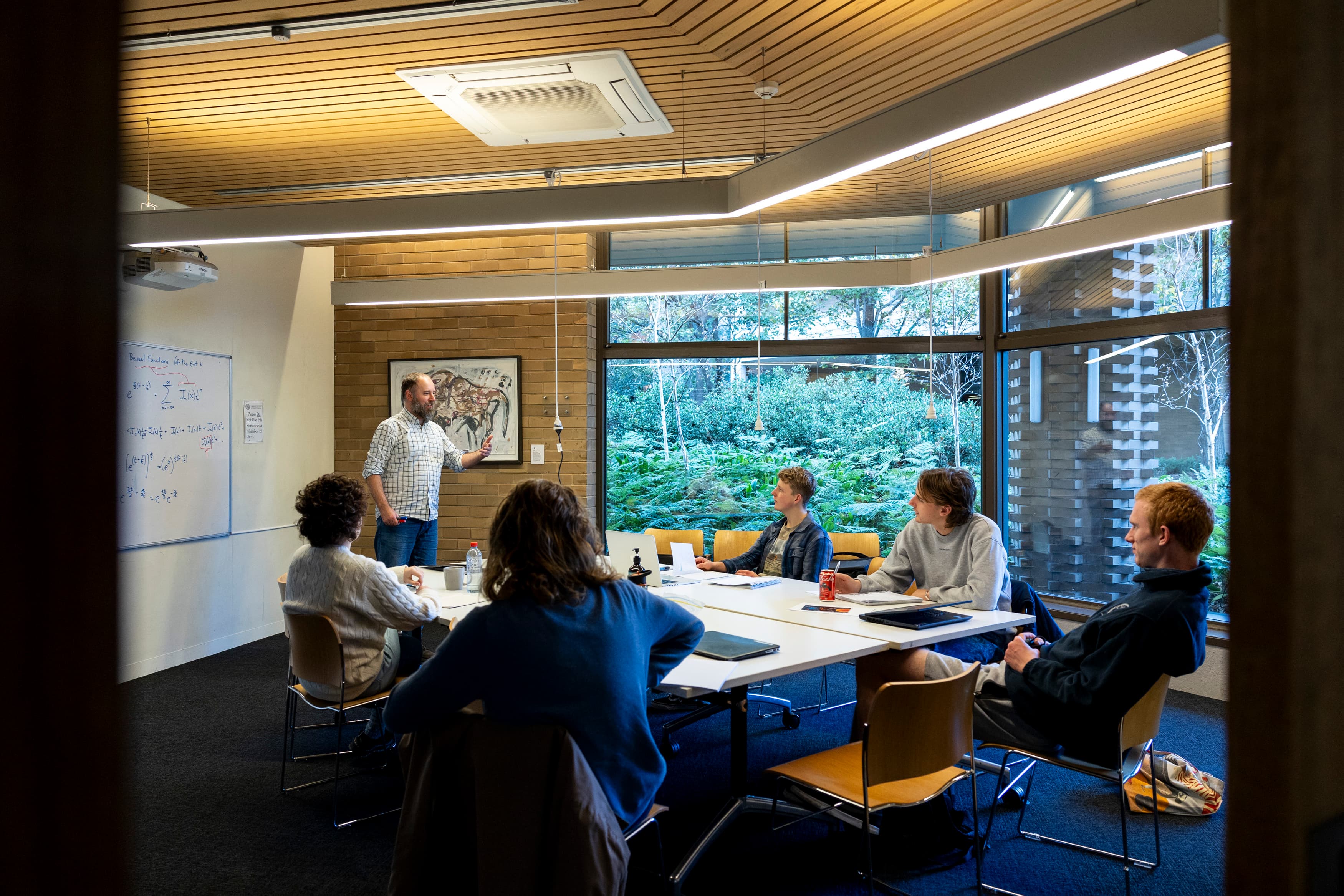
A college is a place where students from diverse backgrounds come together to live, learn, and grow—building connections, embracing shared values, and gaining perspectives that no textbook or lecture can offer.
Wednesday 22 January 2025
Residential colleges in Australian universities have a long-standing role in shaping the lives of young people. For more than 150 years, colleges have not merely been places to live while attending university; they have been vibrant communities that nurture growth, learning, and purpose during one of the most formative periods of life.As described by one of my predecessors, (the late) Dr Davis McCaughey (Master of Ormond College 1957–1979), residential colleges are “part of the academic enterprise which is the University. They have a part in the business of learning”.McCaughey’s words reflect an enduring vision that colleges are more than just residences, they are vital extensions of universities, actively contributing to the mission of advancing knowledge, fostering critical inquiry, and preparing students to engage meaningfully with the world.It will come as no surprise to anyone reading this that I am a firm believer in the transformative power of residential colleges, a belief shaped both by my professional experiences and my own time as a college student. During my four years of undergraduate study, I experienced profound personal growth and formation. My time at college (Weir House in Wellington, New Zealand) was, without a doubt, the most enjoyable part of my undergraduate journey. The friends I made there have become friends for life. They include my children’s godparents, my best man, my wife’s maid of honour, the first friends I think of when planning a milestone birthday, and my closest confidants. The staff were mentors and referees for every graduate job I applied for.College, for me, was one of the best experiences of my life, but that is not the case for everyone. While I have no hesitation highlighting the important role colleges have played in enriching university life and shaping future leaders, it is equally important to recognise that this legacy has not been without its challenges. Historically, colleges have grappled with issues such as exclusion, racism, elitism, and cultural insensitivity. Instances of unsafe environments, including incidents of sexual misconduct and hazing, have highlighted the ongoing need for reform and accountability. These issues have caused real harm, and they serve as stark reminders that the work of building inclusive, respectful, and safe communities is ongoing and essential.As we look to 2025 and beyond, the transformative power of residential colleges remains as important as ever. Yet, in the face of various challenges such as rising costs, competition from alternative accommodation providers, the continual need to address cultural issues, and the growing public expectation that institutions like colleges be more transparent, accountable, and reflective of societal values, there is a need to reaffirm their purpose. The era when colleges relied on being elite, exclusive spaces with guaranteed enrolments from loyal families of local private schools is over. Today, to attract the best and brightest students, colleges must prioritise inclusivity, safety, and shared responsibility, fostering communities that reflect and contribute meaningfully to the diverse and complex world in which our students will become active participants and contributors.What is the purpose of a college in today’s university environment?Residential colleges are not hotels, or dormitories, or simply places to live and eat. At their core, colleges are built on the idea that education extends beyond the lecture hall. They are dynamic, intentional communities that support students to do well at university and prepare them to go and make a meaningful impact in the community, and the world, when they finish their studies. At their best, colleges foster resilience, leadership, and a sense of ethical responsibility while equipping students with the tools and values needed to thrive in a complex and ever-changing world.A college is a place where students from diverse backgrounds come together to live, learn, and grow—building connections, embracing shared values, and gaining perspectives that no textbook or lecture can offer.They are places where lifelong friendships (such as the ones I am so blessed to have) are forged, passions are discovered, and confidence is built. Colleges inspire students to think deeply, act boldly, and contribute meaningfully to their communities.What makes residential colleges truly transformative is their ability to create an environment that combines intellectual growth with personal development. They are hubs of mentorship, cultural exchange, and personal discovery. Their unique role is what sets residential colleges apart and underscores the need to preserve, champion, and continually adapt them to meet the challenges of the modern university landscape.Commitment to InclusivityCentral to the transformative power of colleges is a commitment to inclusivity. Residential colleges must reflect the diversity of our broader community and society as a whole. Employers regularly tell me that they are looking for graduates who relate well to others, and who can build good relationships. For our students to succeed when they graduate, they need to have a broad and diverse range of friends, mentors, teachers, colleagues, and other connections which colleges provide.Through scholarships, financial assistance, and outreach, colleges can ensure that young people from all walks of life have the opportunity to join and thrive in these communities. I have seen some excellent work happening in colleges across the country. At Ormond College we are proud to have a comprehensive financial support offering each year ($1.5m in financial assistance this year) which enables us to support students from a diverse range of backgrounds across the country. The University of Melbourne has also prioritised support to attract a diverse range of students to come to our university, including with the recently launched Narrm Scholarship.While progress has been made in becoming more representative, much work remains to be done. Inclusion is not simply about access; it is about creating spaces where all students feel valued, respected, and supported. Diverse communities foster richer discussions, greater understanding, and stronger connections—qualities that prepare students for the complexities of the modern world.Communities of Safety and RespectAlongside inclusivity, fostering safe and respectful communities is paramount. Residential colleges must prioritise the safety and wellbeing of every student. This includes acknowledging and addressing the historical shortcomings that have sometimes undermined these values and committing to robust systems of accountability and support.Creating environments where young people understand and respect personal, social, emotional, and cultural boundaries is essential. By setting clear expectations, providing education on respectful behaviour, and modelling these principles in practice, colleges not only support students’ personal development but also equip them with skills that will serve them throughout their lives.Safety, inclusion, and respect are non-negotiable. They are foundational to the communities colleges create and the transformative experiences they offer.The Strength of CollaborationTo fulfill this mission, collaboration is key. Colleges must work together, not as competitors, but as partners in creating thriving communities. Organisations like University Colleges Australia (UCA) and the Asia Pacific Student Accommodation Association (APSAA) play a crucial role in fostering this collaboration. Local inter-collegiate systems, such as those at the University of Melbourne and the University of Queensland, also provide models for shared learning and collective problem-solving.By sharing best practices, addressing cultural issues openly, and working collectively to uphold the highest standards, colleges can strengthen the sector as a whole and ensure their continued relevance and value.Looking AheadThe challenges facing residential colleges are real, but so are the opportunities. Colleges have a proven record of transforming lives, fostering academic success, and preparing students to make meaningful contributions to society. This is a legacy worth protecting and a mission worth advancing.Meeting future challenges requires a commitment to shared values such as excellence, inclusivity, respect, equity, integrity, and community. These values must underpin every decision, ensuring that residential colleges remain places where students thrive personally, academically, and socially. It also demands collaboration with universities, alumni, and broader networks to harness collective strength and foster innovation.To remain relevant, residential colleges must adapt to the evolving landscape of higher education and align with broader university priorities, including frameworks like the Universities Accord. By integrating modern technologies, such as AI, and addressing trends in wellbeing, including mindfulness, access to mental health resources, and inclusive practices, colleges can continue to foster a sense of belonging and purpose. By combining innovation with a strong foundation in student development and support, residential colleges will solidify their role as transformative spaces that prepare students not only for academic success but for thriving in life.A Shared PurposeColleges were established with strong missions and purposes, in many cases faith-based, and have provided a foundation for a lifetime of success and contribution. The transformative power of residential colleges is undeniable. For over 150 years they have provided hundreds of thousands of students with more than just a place to live, but vibrant communities where they can belong, grow, and thrive.As we move into 2025 and beyond, it is time to reaffirm a shared purpose and shared values. By acknowledging past shortcomings, committing to continuous improvement, and building communities that reflect the diversity of society, residential colleges can continue to inspire young people to dream, achieve, and lead. Through collective effort and unwavering commitment, residential colleges can continue to transform lives, not just for today’s students but for generations to come.That is the power of their mission, and it is a mission worth striving for.